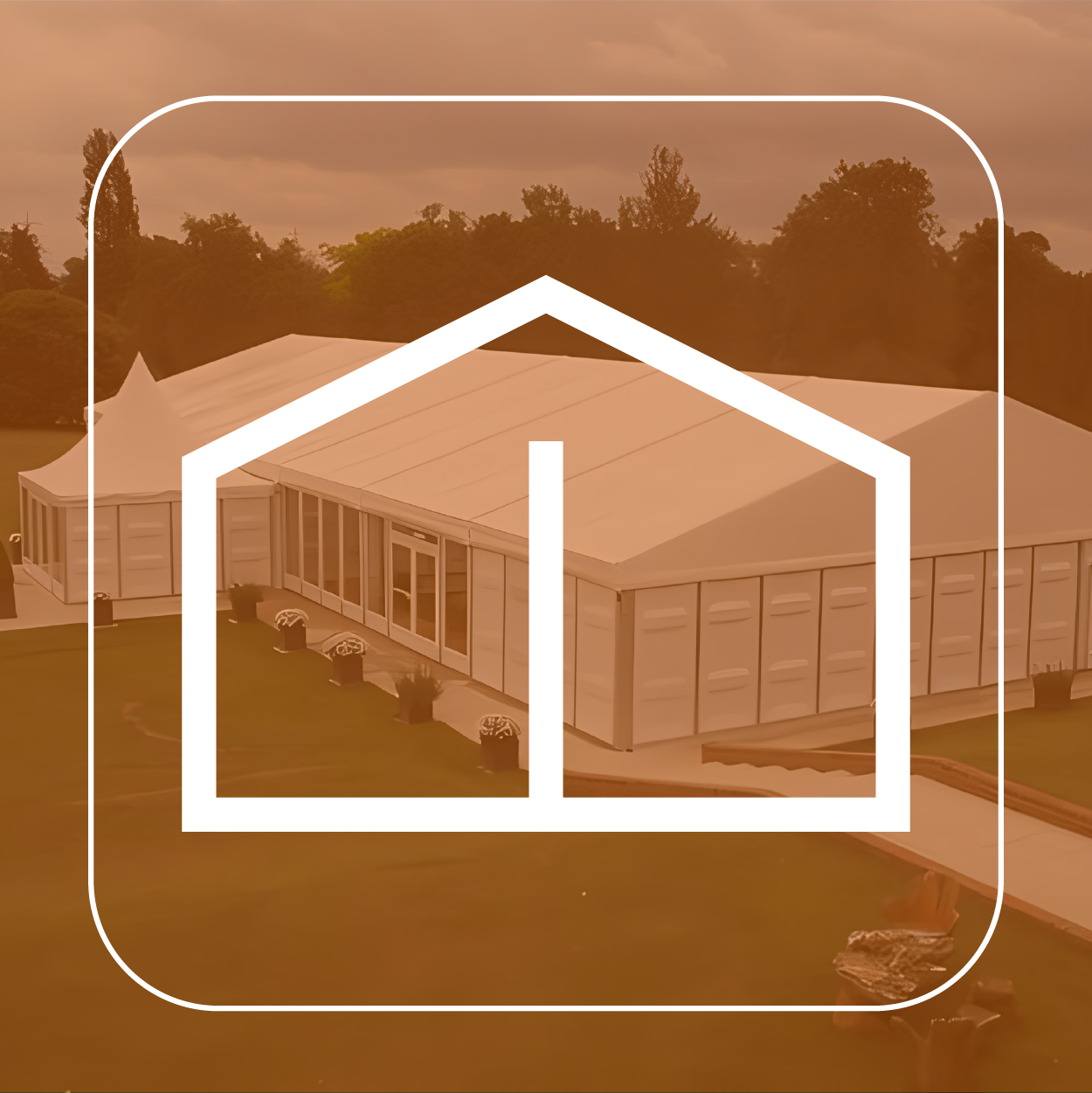


Blockout Pergola Fabric
A pergola is an outdoor garden feature forming a shaded walkway, passageway, or sitting area of vertical posts or pillars that usually support cross-beams and a sturdy open lattice, often upon which woody vines are trained. In modern applications, pergolas are often covered with specialized fabrics to provide enhanced protection from the elements while maintaining an open, airy feel.
The origin of pergolas dates back to ancient Egypt and Roman gardens, where they were used to support climbing plants. Today, they have evolved into sophisticated outdoor structures that combine aesthetic appeal with functional weather protection.
Product Details
I. Primary Uses of Pergolas:
- Outdoor Living Spaces: Extending living areas to the outdoors for dining, entertaining, and relaxation
- Commercial Applications: Creating covered outdoor areas for restaurants, hotels, and public spaces
- Residential Shading: Providing shade over patios, decks, and gardens
- Architectural Features: Enhancing property aesthetics and value through decorative structures
- Plant Support: Traditional use for supporting climbing plants and vines
Countries Where Pergolas Are Most Common:
A. Mediterranean Countries:Italy, Spain, Greece, Turkey
B. North America:United States, Canada
C. Australia:Widespread in residential and commercial applications
D. Middle East:UAE, Saudi Arabia, Qatar
E. Western Europe:France, Germany, UK
In recent years, pergolas with retractable fabric covers have gained popularity worldwide, offering flexible sun and rain protection that can be adjusted based on weather conditions and user preferences.
II. Characteristics of Fabric PVC Pergola Fabric
PVC pergola fabrics are engineered to withstand harsh outdoor conditions while providing excellent performance and longevity. These specialized fabrics combine multiple protective properties to create an ideal covering solution for outdoor structures.
High Mechanical Strength
|
UV Resistance
|
Flame Resistance
|
Water Resistance
|
Mildew & Mold Resistance
|
Cold Temperature Resistance
|
Self-Cleaning Properties
|
Additional Performance Features:
- Thermal Regulation: Reflects solar radiation to reduce heat buildup
- Light Control: Options from complete blackout to light-filtering variants
- Noise Reduction: Dampens sound from rain and external sources
- Chemical Resistance: Withstands exposure to pool chemicals and atmospheric pollutants
- Longevity: 10-15 year lifespan with proper maintenance
These characteristics make PVC pergola fabrics an ideal choice for creating comfortable, protected outdoor spaces that require minimal maintenance while delivering maximum performance.
III. Common Specifications from DEJIA
PVC pergola fabrics are available in various specifications to meet different application requirements. The weight, thickness, and composition determine the fabric’s performance characteristics and suitability for specific environments.
A.750 gsm Opaque Fabric
This medium-weight fabric offers excellent balance between performance and cost-effectiveness for most pergola applications.
Typical Applications: Residential pergolas, restaurant terraces, medium-duty commercial applications.
| Parameter | Specification |
| Weight | 750 gsm ± 5% |
| Thickness | 0.75 mm ± 0.05 mm |
| Light Transmission | 0% (Complete blackout) |
| Tensile Strength | 3300/3200 N/5cm (warp/weft) |
| Tear Strength | 350/320 N (warp/weft) |
| Adhesion Strength | 130 N/5cm |
| Base Fabric | Polyester 1000D/1000D |
| Coating | PVC with UV protection |
B.850 gsm Opaque Fabric
This heavy-duty fabric provides enhanced durability and performance for demanding applications and harsh environments.
Typical Applications: High-end residential projects, luxury hotels, coastal areas with high UV exposure, commercial installations requiring extended lifespan.
| Parameter | Specification |
| Weight | 850 gsm ± 5% |
| Thickness | 0.85 mm ± 0.05 mm |
| Light Transmission | 0% (Complete blackout) |
| Tensile Strength | 3300/3200 N/5cm (warp/weft) |
| Tear Strength | 350/320 N (warp/weft) |
| Adhesion Strength | 180 N/5cm |
| Base Fabric | Polyester 1000D/1000D |
| Coating | PVC with reinforced UV protection |
Additional Available Specifications:
- 650 gsm: Lightweight option for temporary or budget-conscious applications
- 950 gsm: Premium heavy-duty fabric for extreme weather conditions
- 1100 gsm: Maximum protection for commercial and industrial applications
- Translucent Variants: Light transmission options from 5% to 50% for filtered light applications
The choice between different weights depends on factors such as climate conditions, expected lifespan, structural requirements, and budget considerations. Heavier fabrics generally offer longer service life and better performance in harsh environments.
IV. Common Surface Embossing Patterns
Embossing patterns on PVC pergola fabrics serve both functional and aesthetic purposes. These textures enhance the fabric’s visual appeal while providing practical benefits such as reduced glare, improved light diffusion, and better dirt resistance.
Popular Embossing Patterns for Pergola Fabrics:
| . | |
Functional Benefits of Embossing:
- Reduced Glare: Textured surfaces diffuse light to prevent harsh reflections
- Improved Aesthetics: Patterns hide wrinkles and create visual interest
- Better Cleanliness: Textures help conceal dirt and dust between cleanings
- Enhanced Durability: Some patterns can help mask minor scratches and wear
- Light Diffusion: Creates softer, more pleasant lighting underneath the pergola
Selection Considerations:
When choosing an embossing pattern, consider the following factors:
- Architectural Style: Match the pattern to the overall design aesthetic
- Lighting Requirements: Consider how the texture will affect light diffusion
- Maintenance: Some patterns may be easier to clean than others
- View From Below: Consider how the pattern will look from underneath the pergola
- Climate: In dusty environments, certain patterns may show dirt less noticeably
Most manufacturers offer custom embossing options for large projects, allowing architects and designers to create unique visual effects that complement specific architectural styles.